Nickelodeon Fun Arcade leans on two strengths: recognizable characters from across the network's history and a strict 60-second format that keeps every activity short. The simple mouse and touchscreen controls lower the barrier for younger or casual players, while unlimited replay gives the collection some staying power. The main limitation is depth, since the brief rounds and minimal controls are designed for quick sessions rather than extended engagement.
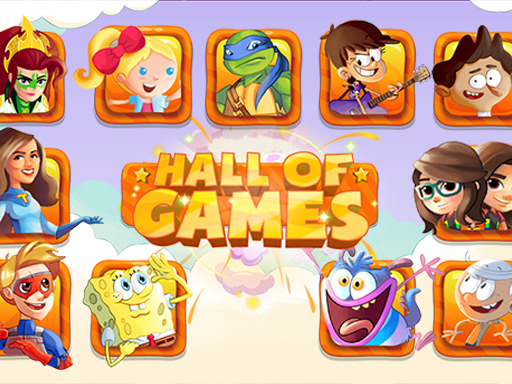
Nickelodeon Fun Arcade gathers familiar faces from both classic and current Nickelodeon shows into one collection. SpongeBob SquarePants, the Power Rangers, The Loud House crew, and Kid Danger are among the characters players can choose. The lineup spans different eras of the network, so the appeal is not limited to one generation of viewers. Each character anchors a distinct activity, which gives the collection variety without forcing players to learn a new control scheme every time.
The defining structure is the 60-second limit applied to every activity. That single rule shapes how each task plays: there is no long setup, no tutorial sequence to sit through, and no risk of a session dragging on. Players pick an activity, read a short on-screen instruction, and work toward the stated objective before the timer runs out. Because each round is brief, the collection suits short breaks or repeated attempts rather than extended play sessions.
Interaction relies on a mouse or touchscreen, and the controls are intentionally minimal. Activities ask players to respond to what appears on screen rather than memorize complex inputs. One example given is helping SpongeBob catch jellyfish; another is joining the Power Rangers on a short mission. The low barrier means the challenge comes from timing and focus, not from learning button combinations. Players who want a higher score can replay the same activity to sharpen their approach.
There is no traditional level progression to grind through. Instead, the goal is to work through all 18 activities and see the full collection. Replay is open-ended: any challenge can be repeated as many times as the player likes. That design encourages improvement through familiarity, since patterns become clearer with each attempt. The cheerful visuals and recognizable characters keep the tone light, and the clean interface makes navigating between activities straightforward.
Sign in to comment
You must be logged in before posting a review or rating.
No comments yet. Be the first to comment!





Editorial Notes